

Recommended Global Vaccines Webinars & Conferences
Asia Pacific & Middle East
Vaccine Immunology 2026
- Welcome Message
- About the Conference
- Why to Attend?
- Target Audience
- Sessions and Tracks
- Market Analysis
- Past Conference Report
Welcome Message
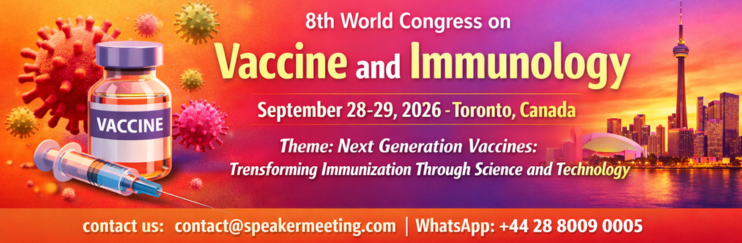
It is with great honor and enthusiasm that we welcome you to the 8th World Congress on Vaccine and Immunology, scheduled for September 28-29, 2026, in the historic and vibrant city of Toronto, Canada. This esteemed global event brings together an extraordinary community of vaccine scientists, immunologists, healthcare professionals, industry pioneers, policymakers, and young researchers who share a common mission: advancing the science and future of immunization.
As the world continues to evolve in the face of emerging infectious diseases, rapidly changing public health landscapes, and unprecedented scientific innovation, the importance of global collaboration has never been greater. The congress serves as a powerful platform to unite diverse expertise, foster meaningful dialogue, and accelerate progress in vaccine development, immune system research, and related biomedical technologies.
This year’s theme, “Next Generation Vaccines: Transforming Immunization Through Science and Technology,” reflects our commitment to exploring the revolutionary advancements that are reshaping the future of preventive medicine. From mRNA and DNA vaccine platforms to AI-driven antigen discovery, from personalized immunization strategies to groundbreaking delivery systems, we are witnessing a new era in which science and technology converge to provide safer, more effective, and more accessible vaccines for all populations.
Over the next two days, you will have the opportunity to engage in in-depth presentations, panel discussions, workshops, and networking sessions led by distinguished experts from around the world. These interactions will not only highlight the latest research findings but also inspire new perspectives and collaborations that will drive innovation for years to come. We encourage you to take full advantage of these sessions, share your insights, and actively participate in shaping the dialogue that will influence future scientific directions.
Beyond the academic and scientific enrichment, we hope you will enjoy the unique cultural charm of Toronto, Canada—an iconic city known for its rich history, artistic spirit, and scientific legacy. As you explore its landmarks, cuisine, and welcoming atmosphere, may the experience further enrich your time at the congress.
On behalf of the organizing committee, we extend our heartfelt gratitude to all participants, speakers, sponsors, and partners whose dedication and contributions have made this event possible. Your commitment to advancing vaccine science and strengthening global health is truly inspiring.
We wish you a productive, enlightening, and memorable experience at the 8th World Congress on Vaccine and Immunology. Together, let us continue to drive innovation, build collaborations, and shape a healthier future for generations to come.
Welcome to the congress—and welcome to Toronto, Canada.
About the Conference
The 8th World Congress on Vaccine and Immunology, taking place on September 28-29, 2026, in Toronto, Canada, is a premier international platform for researchers, clinicians, public health experts, and industry professionals to explore the latest advancements in vaccines and immunology. The conference provides a forum to discuss cutting-edge research, innovative vaccine technologies, immunotherapies, and global health strategies aimed at addressing current and emerging infectious diseases.
Under the theme “Next-Generation Vaccines: Transforming Vaccination Through Science and Technology,” the congress will feature keynote presentations from world-renowned experts, poster sessions showcasing original research, and interactive discussions on the most pressing challenges in the field. Participants will have the opportunity to engage with the latest scientific findings, share their own work, and gain insights into future trends in vaccine development and immunology.
The event also offers extensive networking opportunities, enabling delegates to build meaningful collaborations with peers, industry leaders, and policymakers. Held in the vibrant city of Toronto, the congress promises not only a stimulating academic program but also a memorable cultural experience. Join us for two days of inspiration, knowledge exchange, and global collaboration that will help shape the future of vaccines and immunology.
Why to Attend?
1. Engage with Global Leaders
Connect with top immunologists, vaccinologists, researchers, clinicians, and industry experts shaping the future of vaccine science.
2. Discover Cutting-Edge Research
Learn about the latest advancements in vaccine development, immunotherapies, infectious disease control, and innovative immunology technologies.
3. Expand Your Professional Network
Build meaningful collaborations with peers, experts, and organizations from around the world through interactive sessions and networking opportunities.
4. Participate in Inspiring Sessions
Attend keynote talks, panel discussions, workshops, and poster presentations covering emerging trends, challenges, and breakthroughs in the field.
5. Explore Industry Innovations
Gain insights into the newest products, tools, and methodologies showcased by leading biotech and pharmaceutical companies.
6. Boost Your Career & Knowledge
Enhance your professional growth by learning from world-renowned specialists and participating in discussions on current and future global health strategies.
7. Experience Toronto
Enjoy the scientific event in one of the world’s most iconic cities—rich in culture, history, and inspiration.
Target Audience
- Immunologists
- Microbiologists
- Virologists
- Physicians
- Rheumatologists
- Clinical Immunologists
- Biotechnologists
- Pulmonologists
- Pathologists
- Allergists
- Immunology Professionals
- Paediatricians
- Various Societies and Their Members
- Research Scholars
- Medical School and University Students
- University Professors
- Medical Device Manufacturing Companies
- Laboratory Technicians
- Business Entrepreneurs
- Companies Producing Vaccines, GMOs, and Allergy Therapeutics
Sessions and Tracks
Track 01. Vaccine Research and Development
Vaccine research and development continues to be at the forefront of global health innovation, with transformative advancements that are reshaping the way infectious diseases are prevented. This area encompasses a wide range of vaccine platforms, including mRNA, DNA, viral vectors, protein subunit vaccines, and inactivated vaccines, exploring their design, mechanisms, and applications across different populations. Emphasis is placed on the scientific and technological innovations that enhance vaccine efficacy, such as the use of novel adjuvants, nanotechnology-based delivery systems, liposomal carriers, and microneedle patches that improve stability, bioavailability, and targeted immune response. Emerging strategies for rapid vaccine development and deployment, particularly in response to outbreaks and pandemics, demonstrate how accelerated research, preclinical studies, and advanced formulation techniques can meet urgent global health needs. Integration of computational biology, structural antigen design, and bioinformatics-driven predictive modeling is transforming the development of broad-spectrum and universal vaccines, capable of addressing mutable pathogens. Collaborative approaches that link academia, biotechnology firms, and pharmaceutical industries show how multi-sector partnerships overcome scientific, logistical, and regulatory challenges. The global perspective includes considerations for regulatory approval, international distribution, cold chain logistics, and equitable access, ensuring that vaccines reach diverse populations in low- and high-resource settings alike. This comprehensive approach emphasizes the intersection of science, technology, and public health, illustrating how next-generation vaccines are not only a product of laboratory research but also a response to global immunization demands. The evolution of vaccine research is further accelerated by lessons learned from recent outbreaks, such as COVID-19, Ebola, and influenza, underscoring the importance of preparedness, innovation, and adaptability in combating both known and emerging infectious threats.
Track 02. Immunology and Immune System Innovations
The field of immunology continues to evolve rapidly, uncovering the intricate mechanisms that govern the immune system and driving innovations in disease prevention and treatment. This area focuses on the study of both innate and adaptive immunity, cellular signaling pathways, cytokine networks, and the complex interplay of immune cells in maintaining homeostasis and combating disease. Advances in immunotherapy have opened new avenues for treating cancer, autoimmune disorders, infectious diseases, and chronic inflammatory conditions, enabling interventions tailored to individual patient profiles. Research explores immune checkpoint modulation, CAR-T cell therapies, monoclonal antibodies, and personalized immunotherapeutic approaches that leverage molecular and genetic insights to optimize outcomes. Immune profiling and biomarker discovery are transforming the way responses are monitored and therapies are refined, enhancing precision medicine approaches. Challenges in modulating immune responses in vulnerable populations, such as elderly individuals, immunocompromised patients, and those with chronic illnesses, are addressed through strategies to improve vaccine efficacy and therapeutic effectiveness. Novel technological tools, including single-cell sequencing, CRISPR-based genome editing, high-throughput immunoprofiling, and multi-omics approaches, provide unprecedented insights into immune mechanisms and therapeutic targets. The integration of computational modeling, artificial intelligence, and systems biology accelerates the translation of fundamental discoveries into clinical applications, bridging the gap between laboratory research and patient care. The study of immune memory, cross-protection against diverse pathogens, and immune system adaptability informs the development of next-generation vaccines and therapies. Continuous exploration of immune system innovations is shaping a new era in disease prevention, therapy, and global health resilience, with far-reaching implications for improving human health outcomes worldwide.
Track 03. Clinical Vaccinology and Immunotherapy
Clinical vaccinology and immunotherapy represent the bridge between scientific discovery and practical healthcare application, focusing on the effective and safe use of vaccines and immune-based therapies in diverse populations. This area explores the full clinical spectrum, from evaluating immunogenicity, safety, and efficacy in controlled studies to monitoring outcomes in real-world settings. The application of vaccines across pediatric, geriatric, immunocompromised, and high-risk populations is considered in depth, with attention to age-specific responses, co-morbidities, and individualized dosing strategies. Immunotherapies for autoimmune disorders, allergies, cancers, and chronic inflammatory diseases demonstrate the expanding role of the immune system in targeted treatment and disease management. Innovations in therapeutic strategies, including combination therapies, personalized treatment regimens, and precision immunotherapy, are reshaping patient care. Advanced technologies such as digital health platforms, wearable monitoring devices, and real-time immunological assessment tools enable continuous evaluation of vaccine efficacy and therapeutic response. Clinical trial design, regulatory compliance, pharmacovigilance, and post-marketing surveillance provide a framework for ensuring that interventions meet rigorous safety and efficacy standards. Emerging therapies, including therapeutic vaccines, immune modulators, and biotechnologically derived agents, contribute to more effective disease prevention and treatment strategies. This integrated perspective highlights the dynamic interplay between research, clinical practice, and public health, showcasing the evolving role of immunology and vaccinology in advancing global healthcare.
Track 04. Public Health and Global Immunization
Public health and global immunization are central to preventing infectious diseases and safeguarding population health worldwide. This area examines strategies for implementing effective immunization programs, including policy development, vaccine distribution, outreach, and education initiatives aimed at improving coverage and equity. It addresses challenges posed by vaccine hesitancy, misinformation, and social, economic, and cultural barriers to vaccination, emphasizing approaches that build public trust and engagement. Global collaboration between governments, non-governmental organizations, and international bodies is critical in coordinating vaccination campaigns, ensuring accessibility in remote and underserved regions, and preparing for epidemic and pandemic scenarios. Innovations in digital health, data management, and immunization tracking systems improve program efficiency, monitoring, and accountability. Strategic planning to strengthen health systems, optimize resource allocation, and enhance cold chain and logistics infrastructure ensures that vaccines are delivered safely and effectively. Case studies of large-scale immunization campaigns against diseases such as influenza, HPV, pneumococcal infections, and emerging pathogens demonstrate the impact of vaccination on reducing morbidity and mortality. Approaches to reach vulnerable and high-risk populations emphasize equity, sustainability, and global health security. Integrating scientific insights, policy frameworks, and operational strategies enables resilient immunization programs that protect communities, prevent outbreaks, and contribute to overall improvement of population health worldwide.
Track 05. Industry and Technology Innovations
Industry and technology innovations drive the translation of scientific discoveries into widely accessible vaccines and immunotherapies. This area covers advancements in biotechnology, large-scale vaccine manufacturing, quality assurance, regulatory compliance, and supply chain optimization, highlighting how technological progress improves efficiency and product reliability. Emerging tools such as artificial intelligence, machine learning, big data analytics, and digital platforms are transforming research, development, and monitoring of immune responses. Automation in production, advanced bioprocess engineering, and innovative cold chain solutions enhance scalability and distribution capabilities, ensuring timely delivery to diverse populations. Entrepreneurial ventures and startup innovations are creating opportunities for new therapeutics and vaccines, bridging the gap between research and commercialization. Collaborative strategies between academia, biotech companies, and pharmaceutical industries accelerate product development and improve accessibility. Innovative trends, including precision vaccines, combination therapies, and novel immunotherapies, are reshaping healthcare markets and expanding the scope of immune-based interventions. Technological advancements, industrial expertise, and strategic innovation drive growth in vaccines and immunology, ultimately transforming global healthcare outcomes and addressing urgent health challenges worldwide.
Track 06. The Economics of Vaccination
Vaccination is not only a cornerstone of public health but also a major driver of economic stability, offering cost savings across healthcare systems and society at large. Economic evaluations consider direct costs such as vaccine procurement, administration, and cold chain maintenance, as well as indirect costs like productivity loss, hospitalization, and long-term complications avoided. Analyses of cost-effectiveness and cost-benefit provide policymakers with data to prioritize vaccine programs, allocate resources efficiently, and justify large-scale immunization campaigns. Vaccines yield substantial societal benefits by reducing disease burden, enabling healthier workforces, and preventing healthcare system overload during outbreaks. Global initiatives, such as Gavi, the Vaccine Alliance, and WHO-supported programs, underscore the importance of funding and resource mobilization for low- and middle-income countries, ensuring equitable access to life-saving vaccines. The economics of vaccination also considers pricing strategies, insurance coverage, public-private partnerships, and market incentives that influence vaccine development, availability, and uptake. Investment in vaccine research and infrastructure generates long-term returns, not only by saving lives but by mitigating economic disruptions caused by epidemics and pandemics. Furthermore, modeling the economic impact of vaccination supports strategic planning for emerging infectious diseases, providing governments and international organizations with evidence-based frameworks for decision-making. By integrating health, societal, and economic perspectives, this field demonstrates that vaccines are both life-saving medical interventions and essential components of sustainable global development.
Track 07. Vaccine Production and Global Supply Chains
The production and distribution of vaccines are complex processes that require advanced technology, regulatory compliance, and efficient supply chain management to ensure that vaccines reach populations safely and effectively. Vaccine manufacturing involves sophisticated bioprocessing, stringent quality control measures, and large-scale production facilities capable of meeting global demand. Cold chain logistics, temperature-controlled transportation, and storage monitoring are critical for maintaining vaccine stability, particularly in resource-limited settings. Global supply chains must anticipate and respond to fluctuations in demand, raw material availability, and manufacturing capacity, while maintaining regulatory compliance across countries with diverse standards. Emerging technologies, such as real-time digital tracking, predictive analytics, and automation, are enhancing efficiency and transparency in vaccine supply chains. Regional manufacturing hubs, technology transfer, and public-private partnerships play a vital role in improving global distribution equity. Additionally, contingency planning and rapid scale-up strategies are essential to respond to pandemics or sudden outbreaks, ensuring timely access to vaccines worldwide. By integrating industrial innovation, logistics expertise, and international collaboration, vaccine production and supply chains become resilient, reliable, and capable of supporting global immunization efforts, ultimately contributing to improved public health outcomes.
Track 08. Human Microbiome and Vaccines
The human microbiome, consisting of trillions of microorganisms residing in the gut, skin, respiratory tract, and other organs, plays a critical role in modulating immune responses and influencing vaccine efficacy. Research indicates that microbial diversity, composition, and function can affect the magnitude and quality of both humoral and cellular immune responses. Variations in the microbiome due to diet, antibiotic use, lifestyle, and environmental exposures may alter vaccine-induced immunity, highlighting the importance of considering host-microbe interactions in vaccine design. Understanding these relationships opens avenues for improving vaccine effectiveness through microbiome-targeted interventions, such as probiotics, prebiotics, and microbiota transplantation strategies. Additionally, microbiome profiling allows researchers to identify biomarkers predicting individual vaccine responses, paving the way for personalized immunization strategies. Insights from microbiome research are particularly relevant for populations with altered microbial ecosystems, including infants, the elderly, immunocompromised individuals, and those in low-resource environments. Integrating microbiome science with immunology and vaccinology enhances our ability to design vaccines that elicit robust, durable, and broad immune protection across diverse populations, offering a new dimension to precision public health.
Track 09. Nanotechnology in Vaccine Delivery
Nanotechnology is transforming vaccine delivery by enabling precise targeting, enhanced stability, and controlled release of antigens and adjuvants. Nanoparticles, liposomes, polymer-based carriers, and lipid nanoparticles improve immune recognition, facilitate uptake by antigen-presenting cells, and optimize cellular and humoral responses. Nanotechnology allows the development of needle-free systems, such as oral, inhalable, or transdermal vaccines, which reduce logistical challenges, improve patient compliance, and expand vaccination coverage. Co-delivery of multiple antigens and adjuvants through nanoscale carriers enables synergistic immune activation, enhancing protection against complex or mutating pathogens. Additionally, nanoparticles can be engineered to respond to environmental stimuli, releasing antigens in a controlled manner and reducing the need for frequent boosters. Advanced nanotechnology platforms support personalized vaccination approaches, allowing modulation of immune responses according to age, health status, or genetic background. By integrating materials science, immunology, and bioengineering, nanotechnology is creating next-generation vaccines that are safer, more effective, and accessible, with the potential to transform global immunization strategies and address emerging infectious threats.
Track 10. Vaccine-Induced Immunity and Duration of Protection
Understanding vaccine-induced immunity and the duration of protection is critical for designing effective immunization strategies. Vaccine efficacy depends not only on the initial immune response but also on the persistence of protective antibodies and memory T and B cells. Research investigates factors that influence immune longevity, including antigen type, adjuvant selection, dosing intervals, age, genetic background, and comorbidities. Booster doses and heterologous vaccination strategies are explored to maintain immunity over time, particularly for pathogens with high mutation rates. Longitudinal studies and immunological profiling provide insights into the kinetics of immune responses, informing recommendations for revaccination and global vaccination schedules. Assessing correlates of protection helps predict population-level immunity and guides the development of next-generation vaccines with improved durability. This area of research is essential for preventing disease resurgence, optimizing vaccine strategies for special populations, and achieving long-term public health goals.
Track 11. One Health Approach to Vaccine Development
The One Health approach emphasizes the interconnection between human, animal, and environmental health in understanding and preventing infectious diseases. Recognizing that approximately 60% of emerging infectious diseases are zoonotic, vaccine development under this framework integrates veterinary science, human medicine, and ecological studies to reduce disease transmission at its source. Research focuses on pathogens that circulate between animals and humans, including influenza, coronaviruses, and vector-borne diseases, using surveillance data to identify hotspots and predict outbreaks. Vaccines developed with a One Health perspective aim to control infections in animal reservoirs, thereby reducing the risk of spillover into human populations. This approach also considers environmental factors such as habitat disruption, climate change, and human encroachment, which influence pathogen evolution and emergence. Collaborative initiatives bring together scientists, public health authorities, policymakers, and international organizations to harmonize vaccination strategies across species and ecosystems. One Health-driven vaccine development supports global health security, ensures efficient allocation of resources, and enhances preparedness against pandemics. By integrating veterinary, human, and environmental sciences, this approach provides a holistic and sustainable solution to infectious disease prevention, demonstrating that the health of humans is inseparable from that of animals and the environment.
Track 12. Challenges in Vaccine Accessibility and Equity
Vaccine accessibility and equity remain significant global challenges despite advances in vaccine development. Disparities in distribution, cost, infrastructure, and public acceptance hinder universal immunization, particularly in low- and middle-income countries. Barriers include insufficient cold chain systems, limited healthcare workforce, logistical hurdles in remote areas, and sociocultural factors influencing vaccine uptake. Vaccine hesitancy, fueled by misinformation and mistrust, further complicates public health efforts. Addressing these challenges requires a multifaceted approach involving international collaboration, policy reform, funding mechanisms, and community engagement. Initiatives such as tiered pricing, technology transfer, regional manufacturing hubs, and public-private partnerships aim to improve access and affordability. Strengthening healthcare infrastructure, deploying mobile vaccination units, and implementing digital tracking systems enhance coverage and monitoring. Education campaigns tailored to cultural and regional contexts help build trust and increase vaccine acceptance. Equitable vaccine distribution is not only a moral imperative but also a strategic necessity for global health security, as unvaccinated populations can serve as reservoirs for disease outbreaks and viral evolution. By addressing structural, economic, and social barriers, the global community can ensure that lifesaving vaccines reach all populations, reducing preventable morbidity and mortality and supporting sustainable public health outcomes.
Track 13. Future Directions in Vaccine Research
The future of vaccine research is poised to transform healthcare through the integration of cutting-edge science, technology, and global health strategies. Next-generation vaccines aim to provide broader, more durable, and personalized protection against infectious and non-infectious diseases. Advances in genomics, proteomics, and bioinformatics are enabling precision vaccine design, identifying highly conserved antigens, and predicting immune responses for diverse populations. Novel platforms such as mRNA, viral vectors, DNA vaccines, and nanoparticle-based delivery systems offer rapid adaptability to emerging pathogens and pandemics. Artificial intelligence and machine learning are being leveraged to optimize vaccine formulations, anticipate epidemiological trends, and guide public health interventions. Future research also focuses on universal vaccines targeting multiple strains or species, personalized immunization strategies based on genetic or immunological profiling, and combination vaccines to reduce the number of doses required. Integration of immunomodulatory agents, adjuvants, and novel delivery systems seeks to enhance efficacy, durability, and safety across populations. Moreover, interdisciplinary collaborations between academia, industry, policymakers, and international organizations are accelerating innovation, enabling rapid responses to global health threats. Ethical considerations, equitable access, and regulatory frameworks remain essential to ensure that scientific advancements translate into real-world benefits. By embracing these future directions, vaccine research will continue to play a pivotal role in preventing disease, improving population health, and strengthening global preparedness for emerging infectious challenges.
Track 14. Immunogenetics and Personalized Vaccines
Immunogenetics explores the influence of genetic variability on immune responses, providing insights critical for developing personalized vaccines. Genetic polymorphisms in human leukocyte antigen (HLA) molecules, cytokine genes, and immune receptors can determine susceptibility to infections, vaccine efficacy, and adverse reactions. By analyzing these variations, researchers can design vaccines tailored to an individual’s immunogenetic profile, optimizing both safety and immunogenicity. Personalized vaccines are particularly relevant for populations with diverse genetic backgrounds, immunocompromised individuals, and those with chronic illnesses. Advances in genome-wide association studies, high-throughput sequencing, and computational modeling allow for precise prediction of immune responses to antigens. Integration with systems biology and bioinformatics supports multi-epitope vaccine design, enhancing coverage and durability of protection. Immunogenetics also informs booster schedules, adjuvant selection, and vaccine formulation to address population-specific needs. By tailoring vaccination strategies based on genetic insights, this field advances precision medicine, improves vaccine effectiveness, and reduces the risk of adverse events, paving the way for more effective and equitable immunization programs.
Track 15. Emerging Infectious Diseases
Emerging infectious diseases (EIDs) pose ongoing threats to global health due to pathogen evolution, human-animal interactions, urbanization, and environmental changes. Viruses such as Ebola, Zika, and novel coronaviruses demonstrate the rapidity with which outbreaks can spread, underscoring the need for vigilant surveillance and timely vaccine development. Understanding pathogen biology, transmission dynamics, and host immune responses is critical for designing effective interventions. Integrating genomic sequencing, epidemiological modeling, and bioinformatics accelerates identification of novel targets for vaccines and therapeutics. Collaborative global networks monitor and share data to detect outbreaks early, enabling proactive responses. Vaccine development for EIDs requires flexible platforms capable of rapid adaptation to evolving pathogens, with considerations for safety, scalability, and equitable distribution. Addressing EIDs also demands investment in public health infrastructure, laboratory capacity, and community engagement to ensure preparedness and resilience against future epidemics.
Track 16. Pandemic Preparedness and Response
Pandemic preparedness involves coordinated strategies to prevent, detect, and respond to widespread infectious disease outbreaks. Lessons from COVID-19, H1N1, and Ebola have highlighted the importance of rapid vaccine development, distribution, and public communication. Key components include surveillance systems, laboratory diagnostics, modeling of transmission dynamics, stockpiling essential supplies, and global collaboration. Vaccine platforms capable of rapid scale-up, regulatory flexibility, and equitable allocation are central to effective response. Integrating epidemiological data with predictive analytics and artificial intelligence allows for timely decision-making, optimizing mitigation strategies. Public health education and communication strategies help maintain trust and encourage compliance with vaccination campaigns. By aligning research, industry, policy, and community efforts, pandemic preparedness ensures that societies can respond efficiently, minimizing morbidity, mortality, and socio-economic disruptions.
Track 17. Immunotherapy in Cancer Treatment
Immunotherapy has revolutionized cancer treatment by harnessing the immune system to target and eliminate tumor cells. Strategies include immune checkpoint inhibitors, chimeric antigen receptor (CAR) T-cell therapy, cancer vaccines, and monoclonal antibodies. These approaches enhance the body’s natural immune surveillance, overcoming tumor-mediated immune evasion. Personalized immunotherapy, guided by genetic, epigenetic, and proteomic profiling, allows for targeted interventions tailored to the patient’s tumor biology. Clinical trials are increasingly combining immunotherapy with chemotherapy, radiotherapy, or targeted agents to enhance efficacy. Advances in nanotechnology and delivery systems optimize immune activation while minimizing toxicity. Biomarker discovery and immune monitoring facilitate patient stratification, response assessment, and early detection of adverse events. Integrating immunotherapy into standard oncology practice requires multidisciplinary collaboration, regulatory oversight, and equitable access to cutting-edge treatments.
Track 18. Novel Vaccine Platforms: mRNA, DNA, and Viral Vectors
Next-generation vaccine platforms, including mRNA, DNA, and viral vectors, are transforming global immunization strategies. mRNA vaccines allow rapid synthesis of antigens, high adaptability to emerging pathogens, and strong humoral and cellular responses. DNA vaccines offer stability, cost-effectiveness, and the potential for long-term immunity. Viral vectors, including adenoviruses and lentiviruses, enable robust delivery of antigens and sustained immune activation. These platforms can be combined with novel adjuvants, nanocarriers, and controlled-release systems to enhance efficacy and durability. Advanced formulation technologies, cold-chain optimization, and scalable manufacturing enable global deployment. Regulatory frameworks, clinical evaluation, and post-marketing surveillance ensure safety, efficacy, and public confidence. By leveraging these innovative platforms, vaccines can be developed faster, tailored to emerging threats, and distributed efficiently worldwide.
Track 19. Vaccine Safety and Adverse Event Monitoring
Vaccine safety is a cornerstone of public trust and successful immunization programs. Continuous monitoring of adverse events through pharmacovigilance, electronic reporting systems, and active surveillance ensures timely detection of potential safety issues. Clinical trials assess safety across diverse populations, including vulnerable groups such as infants, elderly, pregnant women, and immunocompromised individuals. Post-marketing studies evaluate real-world effectiveness and rare adverse events, informing updates to recommendations and guidelines. Risk-benefit analyses, transparent communication, and public engagement are critical to maintaining confidence. Emerging digital tools, AI-driven analytics, and big data integration enhance early detection, signal evaluation, and decision-making. Maintaining high safety standards strengthens immunization programs, supports global health, and mitigates vaccine hesitancy.
Track 20. Immunology of Infectious Diseases
Understanding the immunology of infectious diseases provides critical insights for vaccine development, therapeutics, and public health interventions. Host-pathogen interactions, innate and adaptive immune mechanisms, and immune evasion strategies influence disease severity and outcomes. Research integrates molecular biology, cellular immunology, and systems biology to map immune responses to bacterial, viral, fungal, and parasitic infections. Identifying correlates of protection informs vaccine design and efficacy assessment. Advances in high-throughput sequencing, single-cell analysis, and multi-omics approaches allow precise characterization of immune responses at individual and population levels. Knowledge of immunopathogenesis guides development of targeted therapies, adjuvants, and immunomodulatory strategies, improving disease prevention and treatment.
Track 21. Vaccine Hesitancy and Public Trust
Vaccine hesitancy remains a major barrier to achieving high immunization coverage and global health goals. Influenced by misinformation, cultural beliefs, distrust in institutions, and perceived risks, hesitancy requires multifaceted strategies to address. Public health communication, transparent reporting of vaccine safety, community engagement, and educational campaigns are essential to building trust. Behavioral insights, social media analytics, and tailored messaging help counter misinformation and reinforce positive attitudes. Collaboration with healthcare providers, religious leaders, and community influencers improves acceptance. Addressing hesitancy strengthens vaccination programs, reduces disease outbreaks, and fosters long-term public confidence in immunization.
Track 22. Next-Generation Vaccine Platforms
Next-generation vaccine platforms are revolutionizing the field by enabling rapid development, high efficacy, and adaptability to emerging pathogens. mRNA, DNA, and viral vector vaccines have demonstrated remarkable success, particularly during the COVID-19 pandemic, offering the ability to rapidly produce vaccines against novel strains. Self-amplifying RNA and nanoparticle-based platforms further enhance immune responses while reducing dosage requirements. These platforms also allow multi-pathogen or universal vaccine designs, targeting multiple strains or even multiple diseases in a single formulation. Advances in antigen design, adjuvants, and delivery systems improve durability of immunity and cross-protection. The integration of bioinformatics and structural biology accelerates epitope identification, optimizing vaccine efficacy. Beyond infectious diseases, these platforms are being explored for therapeutic applications in cancer, autoimmune diseases, and chronic infections. Their scalability, adaptability, and precision make next-generation platforms a cornerstone of future vaccine development and a key driver of global health security.
Track 23. Immunogenetics and Personalized Vaccines
Immunogenetics studies the impact of genetic variation on immune responses, paving the way for personalized vaccines tailored to an individual’s genetic profile. Variations in HLA genes, cytokine receptors, and immune pathways can affect susceptibility to infections, vaccine efficacy, and the risk of adverse reactions. Leveraging genome sequencing, computational modeling, and systems biology, researchers can predict immune responses and design multi-epitope vaccines optimized for diverse populations. Personalized vaccines are particularly crucial for immunocompromised individuals, elderly populations, and those with chronic diseases. This approach enhances protection, minimizes adverse events, and allows precision immunization strategies that account for genetic diversity across regions. The convergence of immunogenetics and vaccinology promises more effective, equitable, and safer vaccination programs worldwide.
Track 24. Nanotechnology and Advanced Delivery Systems
Nanotechnology is transforming vaccine delivery through precise targeting, controlled release, and enhanced immune activation. Lipid nanoparticles, polymeric carriers, microneedle patches, and inhalable formulations enable efficient antigen uptake and reduce dependency on cold chain logistics. Nanocarriers allow co-delivery of antigens and adjuvants, optimizing humoral and cellular immune responses while minimizing side effects. Smart delivery systems provide sustained release, improving durability and reducing booster requirements. This technology also facilitates needle-free vaccination, increasing compliance and accessibility in low-resource regions. By combining bioengineering, materials science, and immunology, nanotechnology is shaping next-generation vaccines that are safer, more effective, and globally scalable.
Track 25. Bioinformatics and AI in Vaccine Design
Bioinformatics and artificial intelligence (AI) accelerate vaccine discovery by analyzing genomic data, predicting immune epitopes, and optimizing formulations. Reverse vaccinology uses computational tools to identify antigens without the need to culture pathogens, while structural modeling predicts antigen stability and immune recognition. AI-driven platforms simulate immune responses, forecast vaccine efficacy, and guide clinical trial design, reducing time and cost. Integrating population genomics allows tailored vaccines for specific demographics, improving effectiveness. Machine learning aids in the discovery of novel adjuvants, multi-epitope constructs, and optimal delivery systems. This fusion of computation and immunology enhances precision, adaptability, and global preparedness against emerging infectious diseases.
Market Analysis
Industry Overview
The global vaccine market is experiencing robust growth, fueled by increased awareness of vaccination, rising demand for new vaccines, and rapid advancements in biotechnology. The COVID-19 pandemic has highlighted vaccines’ critical role in global public health, accelerating research and development and reinforcing the importance of immunization programs. Similarly, the immunology sector continues to expand, driven by innovations in immunotherapy, particularly for oncology, autoimmune diseases, and chronic conditions, which also supports the growth of related conferences and scientific events.
Market Size and Growth Potential
Global Vaccine Market: Valued at approximately USD 67.74 billion in 2022, the vaccine market is projected to exceed USD 100 billion by 2028, growing at a CAGR of 7.8%. Growth is driven by government investments, the development of new vaccines, and increasing public awareness of immunization benefits.
Global Immunology Market: Valued at around USD 92.2 billion in 2022, the immunology market—including immunotherapy and related research—is expected to reach USD 155.9 billion by 2028, growing at a CAGR of 8.7%, supported by advancements in personalized medicine and rising prevalence of autoimmune diseases.
Key Market Drivers
- Rising Demand for Vaccines: Global focus on infectious disease prevention, accelerated by COVID-19 and ongoing vaccination campaigns for influenza, HPV, and pneumococcal diseases.
- Advancements in Immunology: Development of novel immunotherapies for cancer, autoimmune, and chronic diseases is expanding the market.
- Government and NGO Initiatives: Support from governments and organizations like WHO drives vaccination programs and immunology research.
- Public Awareness: Increased education and awareness about vaccines and immune health are fostering broader adoption.
Challenges
- Vaccine Hesitancy: Public skepticism and misinformation continue to hinder immunization efforts.
- Regulatory Hurdles: Complex approval processes for vaccines and immunotherapies can delay product commercialization.
- Global Disparities: Unequal access to vaccines and immunotherapies persists, especially in low- and middle-income countries.
Associations and Societies
- American Society for Microbiology (ASM)
- Society for General Microbiology
- Swiss Society for Microbiology
- Society for Applied Microbiology
- International Union of Microbiological Societies (IUMS)
- Federation of European Microbiological Societies (FEMS)
Companies and Industry Partners
- Gilead Sciences, Inc.
- Amgen, Inc.
- Celgene Corporation
- Biogen Idec, Inc.
- Regeneron Pharmaceuticals, Inc.
- Alexion Pharmaceuticals, Inc.
- Vertex Pharmaceuticals, Inc.
- Illumina, Inc.
- BioMarin Pharmaceutical, Inc.
- Agilent Technologies, Inc.
Participants & Participation Options
Speaker
- Deliver keynote or invited lectures.
- Share cutting-edge research, innovations, and insights with global delegates.
Delegate
- Attend scientific sessions, panel discussions, and networking events.
- Access conference materials and interact with experts across the field.
Poster Presenter
- Showcase original research through printed or digital posters.
- Engage in one-on-one discussions with attendees and experts.
Exhibitor
- Display products, technologies, or services in dedicated exhibition spaces.
- Network with delegates, potential clients, and collaborators.
Video Presentation
- Present research findings or innovations via recorded video sessions.
- Ideal for participants unable to attend in person.
E-Poster Presenter
- Share research electronically through interactive e-posters.
- Participate in virtual discussions and Q&A sessions with attendees.
Virtual Registration
- Attend live-streamed keynote sessions, scientific presentations, and panel discussions online.
- Access conference recordings, digital materials, and participate in virtual networking.
- Ideal for international participants or those unable to attend in person.
Earn CPD/CME points
Networking opportunities with global experts and peers
Certificate of participation
DOI publication opportunities in conference proceedings
Access to cutting-edge research
Professional visibility for speakers, presenters, and exhibitors
Opportunities for global collaboration
Abstract Submission & Registration Timeline
- Abstract Submission Open: Now Open
- Early Bird Registration: January 16, 2026
- Standard Registration: February 16, 2026
- Final Registration Deadline: September 28, 2026
Abstract Submission Details:
- All abstracts submitted will undergo a peer-review process to ensure scientific quality and relevance.
- Authors will receive an Abstract Acceptance Letter upon approval, confirming inclusion in the conference program.
- Accepted abstracts will be published in the conference proceedings with DOI, providing global visibility and citation opportunities.
For any questions or assistance regarding the conference, abstract submission, registration, or participation, please contact:
-
Email: contact@speakermeeting.com
Phone: +442880090005
Website: https://vaccineimmunology.conferenceseries.com/
You can also reach out via our social media channels for updates, announcements, and support.
Past Conference Report
Vaccine Immunology 2025
Over the years, the World Congress on Vaccine and Immunology has successfully hosted numerous impactful editions across major global cities. Each past conference has contributed significantly to the development of stronger research networks and the acceleration of vaccine innovation.
7th World Congress on Vaccine and Immunology
December 22–23, 2025 | Amsterdam, Netherlands
The 7th congress will gather global experts to discuss new advances in vaccines, immunology, emerging diseases, and innovative technologies. Held in Amsterdam, it will provide a platform for researchers and professionals to share ideas, present findings, and strengthen international collaboration.
6th World Congress on Vaccine and Immunology
November 28–29, 2024 | Paris, France
The 6th edition successfully brought together scientists and healthcare professionals to explore next-generation vaccine platforms, immunotherapy advancements, and strategies for improving global immunization. It encouraged strong research exchange and collaborative discussions.
5th World Congress on Vaccine and Immunology
November 06–07, 2023 | Tokyo, Japan
The 5th congress focused on evolving vaccine technologies, immune response mechanisms, and innovations for disease prevention. It highlighted research progress, promoted scientific networking, and supported global efforts toward better vaccine access and effectiveness.
Each edition has strengthened the congress's reputation as a premier event where innovation thrives and global health priorities are shaped.
Past Reports Gallery
To Collaborate Scientific Professionals around the World
Conference Date September 28-29, 2026
For Sponsors & Exhibitors
Speaker Opportunity
Useful Links
Supported By
All accepted abstracts will be published in respective Conference Series International Journals.
Abstracts will be provided with Digital Object Identifier by